Menu
close


How to keep dogs warm in winter, inside and out: how cold is too cold for dogs, signs your dog is too cold, coats, paw care, and safe outdoor shelter tips.
EyesMata is reader-supported. Some links on our site may be affiliate links, which means we may earn a small commission at no extra cost to you. Learn more.
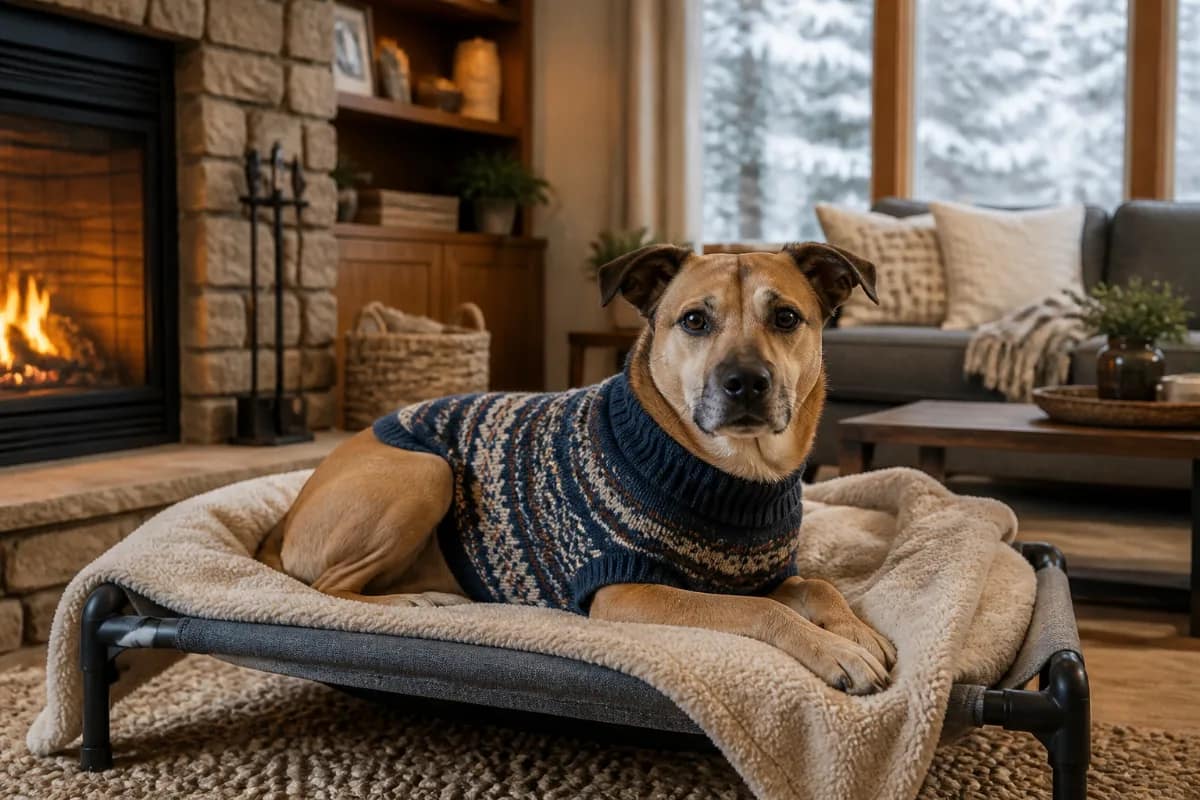
When your dog stops halfway down the block, lifts one paw off the frozen sidewalk, and looks back at you, that's information. Fur helps, but it isn't a winter coat for every dog, and plenty of pets feel the cold faster than their owners expect.
This guide covers how to keep your dog warm in winter at home, on walks, and outside in the yard. You'll learn how cold is too cold for dogs, which signs mean your dog needs to come in now, and what a safe setup looks like if your dog spends time outdoors. The advice draws on veterinary groups and animal welfare organizations, and it's general information, not a substitute for your own vet's advice.
Yes. It's a common belief that fur makes dogs more resistant to cold than people, but the American Veterinary Medical Association says that dogs and cats are susceptible to frostbite and hypothermia, just like we are, and generally should be kept inside in cold weather.
How quickly a dog gets cold depends on its coat, body fat, activity level, and health. Some dogs need more help than others:
Thick-coated breeds bred for cold climates, such as Huskies and Malamutes, tolerate winter better. Still, the AVMA's guidance is clear that no pet should be left outside for long periods in below-freezing weather.
There's no single number that fits every dog, but veterinarians offer useful starting points. According to PetMD's veterinary guidance, cold usually isn't a problem for most dogs until temperatures fall below 45°F, when cold-sensitive dogs may start to feel uncomfortable. Here's how the risk generally rises:
The thermometer is only part of the picture. Wind chill, wet fur, freezing rain, and lack of sun all make cold more dangerous. A dog who's running and playing also stays warmer than one standing still. A simple rule many vets and the ASPCA share: if it's too cold for you to be outside comfortably, it's probably too cold for your pet.

Your dog will usually tell you when it has had enough, if you know what to look for. Cornell University's Riney Canine Health Center lists these signs that a dog isn't tolerating the cold:
If you see any of these, head home and get your dog into a warm, dry space. Towel off wet fur and paws, and offer a cozy spot to rest.
Hypothermia happens when a dog's body temperature drops too low. It can follow long exposure to cold, especially in wind or wet conditions. Watch for weakness, confusion, muscle stiffness, slow or shallow breathing, and collapse. The Merck Veterinary Manual points out that shivering is not usually a sign of hypothermia in pets the way it is in people. A dog in trouble is more likely to seem weak or disoriented.
If you suspect hypothermia, bring your dog inside, wrap it in warm, dry towels or blankets, and call your veterinarian right away. Warm your dog gradually. PetMD's vets advise against direct heat sources such as heating pads, because rewarming should be gentle.
Frostbite most often affects the ears, tail, and paws. Signs include pale, gray, or bluish skin, coldness or brittleness, swelling, pain when touched, and blisters. VCA notes that frostbite signs can take several days to appear, especially on ear or tail tips. Don't rub frostbitten skin to warm it. Call your vet if you notice any of these changes.
Most dogs spend more time indoors in winter, so start there. A warm, comfortable home is the easiest way to protect your dog from the cold.
If you'd like to build a dedicated cozy corner, our guide to creating a calm, comfortable space for your pet walks through bedding, location, and quiet-zone tips that work well in winter too.
They can, especially small, short-haired, senior, and very young dogs. Nights are colder, many people lower the thermostat, and a dog sleeping on the floor near a drafty window loses heat faster. A raised bed, a blanket, and a spot away from drafts usually solve the problem. If your dog curls into a tight ball, shivers, or keeps getting up to find a new spot, it may need a warmer setup.
Cold outdoor air and dry indoor heat can leave skin itchy and flaky. The ASPCA suggests keeping your home humidified, towel-drying your dog as soon as it comes inside, and bathing less often during cold spells. Never shave a dog down to the skin in winter, because a longer coat provides warmth. For long-haired dogs, a light trim around the feet helps cut down on ice balls and salt buildup.
Dogs who spend a lot of time outdoors may burn more calories staying warm. Talk with your vet before changing your dog's food, though. The AVMA notes that extra weight brings health risks that outweigh any warmth it adds.
Dogs still need exercise in winter, so the goal is safer walks, not none at all. Try to walk during the warmest part of the day and shorten your route when it's bitter cold.
A sweater or coat helps short-haired, small, and cold-sensitive dogs. The ASPCA suggests one with a high collar and coverage from the base of the tail to the belly. Keep a spare so your dog always heads out in a dry one. The AVMA warns that wet sweaters or coats can actually make your dog colder. Make sure the coat fits well, has no dangling straps, and doesn't restrict movement or breathing.
Snow, ice, and de-icing salt can crack paw pads and irritate the skin between the toes. A few habits go a long way:
Checking paws for cracks and redness fits naturally into a quick daily pet care check, which makes winter problems easier to catch early.
Ice melts are a common risk. The ASPCA Animal Poison Control Center explains that dogs can swallow ice melt by licking their feet or eating treated snow, which can cause stomach upset and, in larger amounts, more serious problems. Use pet-friendly ice melt at home, and don't let your dog eat slushy snow along sidewalks.
Antifreeze is even more dangerous. Clean up any spills right away and store containers out of reach. The ASPCA suggests choosing products that contain propylene glycol rather than ethylene glycol. If you think your dog swallowed antifreeze or ice melt, call your vet or ASPCA Animal Poison Control at (888) 426-4435 immediately.
Keep your dog leashed on snow and ice. Snow can hide familiar scents, and the ASPCA notes that more dogs are lost in winter than in any other season, so make sure ID tags and microchip details are up to date. Stay away from frozen ponds and lakes too, since you can't know if the ice will hold.
The safest answer is to bring your dog inside when it's cold. The AVMA doesn't recommend keeping any pet outside for long periods, and the ASPCA says dogs should never be left outside during snowstorms, sleet, or extreme cold. Short potty breaks and supervised play are fine for most dogs; long stretches alone in the yard are where trouble starts.
If your dog spends a lot of time outdoors for any reason, the Humane Society of the United States says it needs a dry, draft-free shelter large enough to move around in but small enough to hold body heat. Here's what that looks like:
Many states and cities also have rules about outdoor shelter, tethering, and extreme weather. Check your local requirements if your dog lives partly outdoors.

A parked car in winter acts a lot like a refrigerator. The AVMA warns that young, old, ill, or thin pets are especially vulnerable and should never be left in a cold car. If you can't bring your dog inside with you, leave it at home.
Not every dog does. Thick-coated breeds may be fine without one on most days. Small, short-haired, senior, and cold-sensitive dogs often benefit from a well-fitted coat or sweater, especially on wet or windy days.
It depends on the dog and the conditions. As a general guide, keep outings short once temperatures drop below freezing, and limit walks to just a few minutes when it's 20°F or colder. Bring your dog in at the first signs of discomfort.
The bigger concern is what's in the snow. Snow along roads, driveways, and sidewalks may contain ice melt or other chemicals, so it's best to discourage snacking on snow during walks.
Not for a dog that may be hypothermic. Warm it gradually with dry towels and blankets, and call your vet. For everyday comfort, use only a heated bed designed for pets and follow the instructions.
Every dog handles the cold a little differently, so pay attention to yours. A warm bed off the floor, a dry coat for chilly walks, clean paws after every outing, and a firm rule about bringing your dog inside when the weather turns harsh will cover most winter days. If your dog has a health condition or you're unsure what's safe, ask your veterinarian for advice tailored to your pet.


