Menu
close


Use this simple garden maintenance checklist to water, weed, mulch and prune at the right time, plus seasonal tasks and safety tips for a healthier garden.
EyesMata is reader-supported. Some links on our site may be affiliate links, which means we may earn a small commission at no extra cost to you. Learn more.
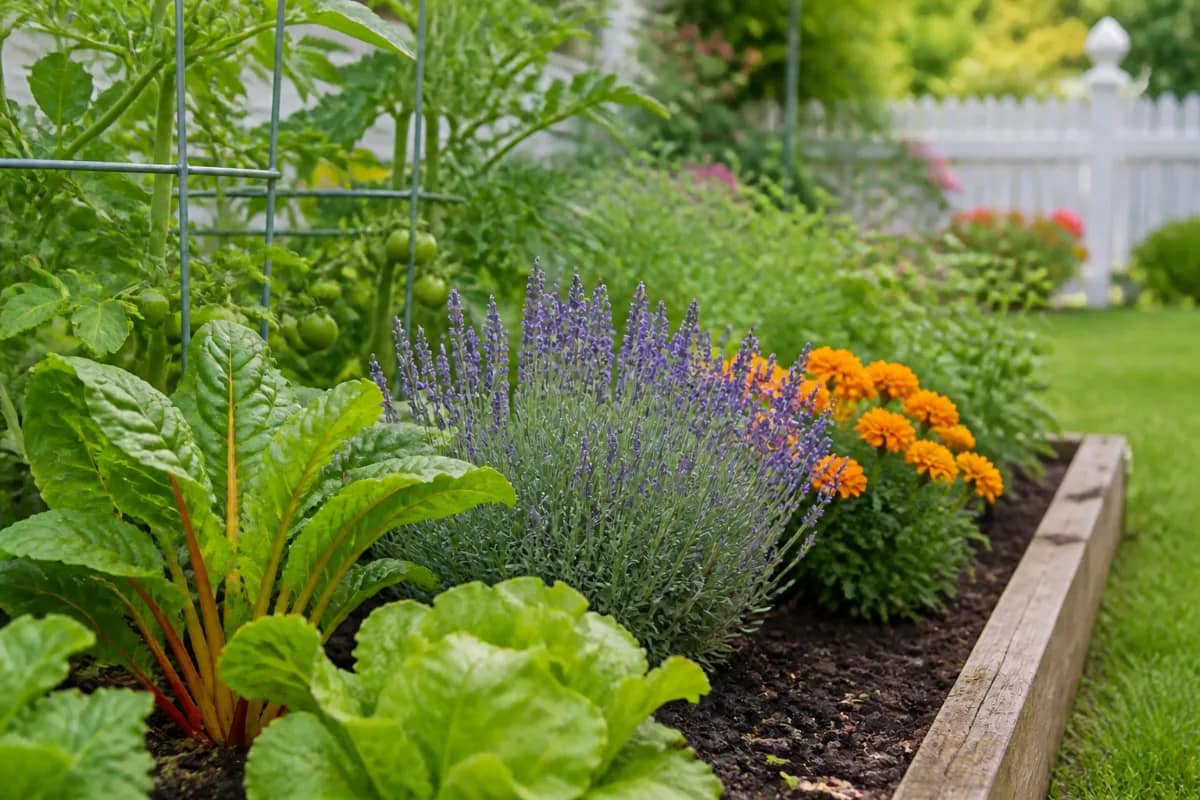
By midsummer, most garden trouble has a simple backstory. The soil dried out during a hot week, a few weeds went to seed, or a shrub got pruned at the wrong time. Small jobs done regularly head off a lot of that: a quick look at your plants, a deep drink of water when the soil is dry, and a few weeds pulled before they spread. This garden maintenance checklist breaks those jobs into seven simple tasks that beginners can follow, whether you care for a few flower beds, a vegetable patch, or a row of shrubs.
What works in one yard can fail in the next, especially across a country as varied as the United States. A watering routine that suits clay soil in Ohio may be far too little for sandy soil in Arizona. So instead of strict rules, you'll find practical starting points and simple ways to adjust each task to your climate, soil, and plants.
Use this list as a flexible routine. How often you do each task depends on the season, the weather, and what you grow.
Most garden maintenance is low risk, but a few basic habits help you avoid common injuries.
Wear gloves when you weed, prune, or handle soil, and add eye protection for trimming. For lawn and garden equipment, the U.S. Consumer Product Safety Commission's yardwork checklist recommends sturdy, slip-resistant shoes, long pants and sleeves, and close-fitting clothes, plus eye and hearing protection when needed. Our guide to essential homeowner tools explains why safety glasses and work gloves belong in every kit.
If you use fertilizer, weed killer, or pest control products, read the entire label before you mix or apply them. The EPA advises storing pesticides out of children's reach, ideally in a locked cabinet, and keeping products in their original containers. Keep kids and pets off treated areas for as long as the label directs. Some plants are risky too. True lilies and daylilies are extremely dangerous to cats, and the FDA advises against planting them if your cat, or a neighbor's, spends time outdoors. Our guide to creating a safe space for your pet covers other common hazards.
LSU AgCenter advises that outdoor electric tools should be plugged into a GFCI-protected outlet and that cords shouldn't run through wet areas. CPSC safety guidance also calls for extension cords in good condition, rated for outdoor use, and the right gauge for the tool. Unplug electric tools, or disconnect the spark plug wire on gas equipment, before clearing a jam, and never refuel a hot engine. Not sure your outlets work? Learn how to test your GFCI outlets. Before digging a new bed, contact 811 before you dig so buried utility lines can be marked, since some sit just a few inches deep.
A short walk through the garden is the simplest task and one of the most useful. Pests, diseases, and drought stress are much easier to manage when you catch them early.
UGA Extension recommends that gardeners inspect plants at least once or twice a week during the growing season, checking the tops and undersides of leaves, stems, flowers, and fruit. Look for yellowing or spotted leaves, wilting, chewed edges, sticky residue, or webbing. New plants and containers deserve extra attention because they dry out quickly. Not every insect is a problem, though. Lady beetles and lacewings help control pests, so identify what you see before you reach for a spray.
If a problem keeps spreading or you can't identify it, take a photo or sample to your local Cooperative Extension office or Master Gardener program. They know the pests and diseases common in your area. Keeping a few notes or photos of what you see also helps you spot patterns from one season to the next.
Watering is where climate and soil make the biggest difference, so let the weather, your soil, and your plants guide you instead of a fixed schedule.
Many extension services use about an inch of water per week as a starting point. Mississippi State University Extension notes that vegetable gardens need about 1 inch of water each week, and gardens in sandy soil may need up to 2 inches. Clay soil holds water longer, so it usually needs less frequent watering. Hot, dry, or windy weather increases water use, while cool or rainy weeks reduce it.
Check the soil first. NC State Extension suggests digging down 2 to 3 inches. If the soil is still moist there, your plants likely don't need water yet. A rain gauge shows how much rain actually fell, and deep, less frequent watering encourages deeper roots than a light daily sprinkle. Too much water can be a problem as well, especially in humid areas or poorly drained soil. If the ground stays soggy or smells musty, cut back.
University of Minnesota Extension recommends watering early in the morning to allow leaves to dry and aiming water at the base of plants rather than the foliage. Leaves that stay wet overnight can invite disease, especially in humid regions. Soaker hoses and drip irrigation deliver water straight to the roots. In drier areas, check local rules, since some communities limit watering days.
New plants need more frequent watering until their roots are established. Containers dry out faster than beds, so check them often in summer, sometimes daily, and water until it drains from the bottom. Many native and drought-tolerant plants need much less water once they settle in.
Weeds compete with your plants for water, nutrients, and light. Iowa State University Extension points out that small weeds are much easier to control than large weeds and that you should pull them before they go to seed.
Weed after rain or watering, when the soil is soft. Grip each weed near the soil line and pull slowly to remove the root, or use a hoe to slice off tiny seedlings. A weekly check during the growing season usually keeps things under control. Short on time? Start with weeds that are already flowering. Over time, mulch and closely spaced plants leave weeds less room to grow.
Healthy soil does a lot of the work for you. Mulch and occasional soil testing protect moisture and nutrients, and they cut down on flower bed maintenance all year.
Organic mulch, such as shredded bark, wood chips, pine straw, or shredded leaves, holds moisture, moderates soil temperature, and keeps many weed seeds from sprouting. Pull existing weeds before you mulch. The University of Florida's Florida-Friendly Landscaping program recommends a mulch depth of 2 to 3 inches, keeping mulch 1 to 2 inches away from shrubs and avoiding "volcano mulching" against tree trunks. Refresh mulch as it breaks down instead of piling it deeper each year.

When plants look tired, the real issue may be water, light, pests, or soil pH rather than a lack of fertilizer. University of Illinois Extension suggests testing soil every three to five years unless you're fixing a specific problem, and notes that home test kits are widely variable and not recommended. Your local extension office can explain how to collect a sample. Adding compost over time improves both heavy clay and fast-draining sand.
Pruning keeps plants healthy and tidy, but timing matters, and different plants have different needs.
Dead, damaged, or diseased stems can usually be removed whenever you see them. Deadheading, or removing faded flowers, keeps many annuals and perennials neat and can encourage more blooms. Use clean, sharp pruners for small stems and loppers or a pruning saw for thicker branches instead of forcing a small tool. Disinfect the blades between cuts when removing diseased growth.
Many spring-flowering shrubs, such as lilac and forsythia, set next year's buds the summer before. Colorado State University Extension explains that pruning these shrubs in fall or winter removes those buds and reduces spring flowers, so prune them soon after they bloom. Many summer-flowering shrubs bloom on new growth and can be pruned in early spring. To thin an overgrown shrub, cut about one-third of the oldest stems to the ground each year. Annual thinning may not fully restore its original shape. For trees, fruit plants, or shrubs you can't identify, check a local extension guide first.
Seasons vary widely across the country. A Minnesota garden may freeze for months, while gardens in Florida or Southern California grow nearly year-round. Look up your USDA Plant Hardiness Zone and local frost dates, then adapt these tasks to your area.

Clear winter debris, check for damage, and refresh mulch once the soil warms. Prune summer-flowering shrubs before new growth begins, wait until spring bloomers finish flowering, and test your soil if you plan to fertilize.
Focus on watering, weeding, and regular plant checks. Deadhead flowers, watch containers during hot spells, and avoid heavy pruning in extreme heat.
Clean up spent plants, especially any with disease. University of Missouri Extension advises gardeners to compost only non-diseased foliage and plants and to delay fall mulching until the ground has cooled. In cold climates, UMN Extension recommends watering evergreens until the ground freezes. In many areas, fall is also the time to plant spring bulbs.
Plan next year's garden and service your tools. In mild-winter regions, keep checking soil moisture and weeds. Elsewhere, stay off soggy beds, since walking on wet soil can compact it.
Clean tools work better, last longer, and are less likely to spread plant diseases. University of Wisconsin–Madison Extension says to clean your tools after each use, let them dry, and coat metal surfaces with oil or another rust inhibitor. Sharpen cutting tools at their original angle so they cut cleanly instead of crushing stems.
To disinfect pruning blades, treat them for at least 30 seconds with 70% alcohol, which is less corrosive than bleach. Store tools in a dry spot, check for loose handles or rust each season, and keep sharp tools out of children's reach.
Hire a certified arborist for large trees, heavy limbs, or branches near power lines, and contact your utility company if a tree touches overhead lines. If a pest or disease keeps returning, or you have serious drainage problems, your extension office or a landscape professional can help.
About an inch a week, counting rain, is a common starting point. Check the soil first, and expect containers and sandy beds to need water more often.
Early morning, so less water evaporates and leaves dry before evening.
Two to three inches of organic mulch, kept pulled back from stems and trunks.
Spring bloomers right after they flower, and most summer bloomers in early spring. Dead or damaged branches can come off anytime.
Remove spent and diseased plants, plant spring bulbs, clean your tools, and wait until the ground cools before adding winter mulch.
If you only have time for a few things this week, check the soil before you water, pull any weeds that are already flowering, and look under a few leaves for pests. That's how to maintain a garden without turning it into a second job. Start with what matters most in your garden, adjust each task to your climate and plants, and build a routine you can keep.
This guide offers general information only. Growing conditions vary widely across the United States, so check with your local Cooperative Extension office for advice specific to your area.
