Menu
close


Looking for plants safe for cats? See ASPCA-listed non-toxic houseplants, holiday plants to skip, and what to do if your cat chews a toxic plant.
EyesMata is reader-supported. Some links on our site may be affiliate links, which means we may earn a small commission at no extra cost to you. Learn more.
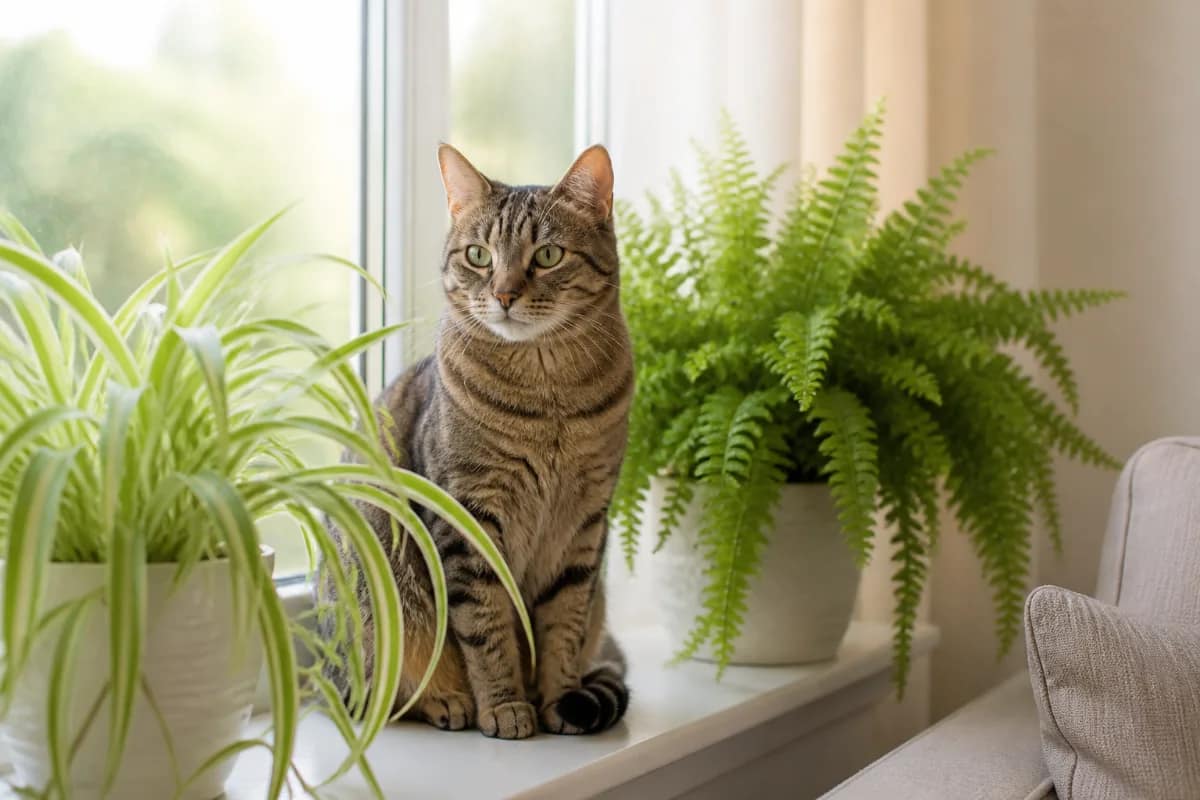
Cats don't care that your new houseplant cost $40 or that it took three weeks to find. If it's within reach, there's a good chance they'll sniff it, bat at it, or take a bite. That's why choosing plants safe for cats matters more than most plant labels let on.
The good news is that you don't have to choose between a green home and a safe one. Plenty of popular houseplants are listed as non-toxic to cats, and a few easy habits cover the rest. This guide covers pet-friendly picks, the plants worth keeping out of the house, which holiday plants need extra care this season, and what to do if your cat chews something it shouldn't.
When a plant is called cat-safe, it usually means it appears as non-toxic on a trusted list such as the ASPCA Animal Poison Control Center's toxic and non-toxic plant database. That's the best place to start, but it helps to know what the label doesn't promise.
In short, a plant listed as non-toxic is a much better choice than one that isn't, but you still don't want your cat treating it like a salad bar.
These houseplants are listed as non-toxic to cats by the ASPCA, and most of them are easy to find at garden centers. Care needs vary, so pick the ones that match your light and routine.
Spider plants are tough, forgiving, and happy in medium to bright indirect light. They also tend to attract cats, who love batting at the long, arching leaves. The plant is non-toxic, but a cat that chews a lot of it may still vomit, so a hanging basket is a smart spot.
Boston ferns bring soft, full greenery to bathrooms and bright corners. They like steady moisture and humidity. Just don't confuse them with asparagus fern, which isn't a true fern and is listed as toxic to cats.
If you want a palm look, the parlor palm (Chamaedorea elegans) and areca palm (Dypsis lutescens) are both listed as non-toxic. The parlor palm handles lower light, while the areca prefers a bright room. Keep these well away from the sago palm, which is a very different and dangerous plant.
Calatheas and prayer plants (Maranta) are known for patterned leaves that fold up at night. Both are on the non-toxic list. They do best with filtered light, regular watering, and some humidity, so they suit a kitchen or bathroom.
Peperomias are compact, slow-growing plants with thick leaves that store water. Varieties such as baby rubber plant and watermelon peperomia fit nicely on shelves and desks, and they don't mind being watered a little late.
Love the look of aloe but worried about your cat? Haworthia is a small, spiky succulent that's listed as non-toxic. Give it bright light and let the soil dry out between waterings.
Despite the name, the ponytail palm isn't a true palm. Its swollen trunk stores water, so it's very forgiving if you travel. It likes bright light and dry soil.
The braided money tree is a popular floor plant, and the ASPCA lists it as non-toxic to cats. Be careful with names, though. "Money plant" is sometimes used for jade, which is toxic, so look for Pachira aquatica on the label.
For flowers, the moth orchid (Phalaenopsis) and African violet (Saintpaulia) are both listed as non-toxic. They're good choices when you want blooms without bringing riskier flowering plants into the house.
True to its name, this plant puts up with low light, dry air, and missed waterings. It's a good fit for a dim hallway or a corner where most plants struggle.
The Christmas cactus is listed as non-toxic to cats, which makes it one of the friendliest holiday plants you can buy. If you want help getting yours to flower, our guide to Christmas cactus care covers light, watering, and blooming.

November and December bring a wave of seasonal plants and flower arrangements into homes. Some are fine around cats, and some aren't. Here's how the most common ones compare, based on ASPCA guidance.
When someone gives you a plant as a gift, it's worth a quick look at the tag before you set it on a low table.
If you remember one thing from this guide, make it this: true lilies and daylilies are extremely dangerous to cats. According to the U.S. Food and Drug Administration, every part of the plant is toxic, including the leaves, flowers, pollen, and even the water in the vase.
A cat doesn't need to eat much. Chewing a small piece of a leaf or petal, licking pollen off its fur, or drinking vase water can lead to kidney failure. The FDA notes that if treatment is delayed by 18 hours or more, the damage is often irreversible.
The lilies of greatest concern include Easter, Asiatic, Oriental, stargazer, tiger, and daylilies. Other plants with "lily" in the name work differently. Peace lilies and calla lilies cause mouth irritation rather than kidney failure, while lily of the valley affects the heart and is also very dangerous. The safest rule is simple: if you have a cat, don't bring lilies into the house.
Many of the most popular houseplants are listed as toxic to cats. Most cause mouth irritation or stomach upset rather than life-threatening illness, but it's better to keep them out of reach or skip them entirely.

Even with a cat-safe collection, a few habits will protect both your cat and your plants.
Setting up a calm, comfortable spot for your cat also helps. Our guide on creating a safe space for your pet has ideas that can keep curious paws busy with something other than your plants.
Most nibbles on a non-toxic plant end with nothing more than a little vomiting. When you're not sure what your cat ate, though, it's best to act quickly.
If there's any chance your cat touched a true lily, its pollen, or vase water, treat it as an emergency and contact a veterinarian right away, even if your cat seems fine. Early treatment makes a real difference. Keeping an eye on everyday habits also helps you notice when something is off. Our list of simple daily pet care checks is a good place to start.
Yes. The ASPCA lists spider plants as non-toxic to cats. Cats often enjoy chewing them, and eating a large amount may cause vomiting, so hang the plant up or trim long leaves out of reach.
No. The ASPCA lists lavender as toxic to cats, and it can cause nausea and vomiting. Lavender essential oils are more concentrated, so keep oils and diffusers away from cats as well.
Neither is considered safe. Both are listed as toxic and can cause vomiting and diarrhea. Haworthia and ponytail palm are good alternatives if you like that look.
Some are and some aren't. Haworthia and Christmas cactus are listed as non-toxic, while jade and aloe are toxic. Check each plant by its scientific name rather than assuming all succulents are alike.
Choosing plants safe for cats doesn't mean giving up on a lush home. Spider plants, Boston ferns, parlor palms, calatheas, peperomias, and money trees all fit well in cat households, and a Christmas cactus is a lovely seasonal option. Keep lilies out of the house completely, place riskier plants where your cat can't reach them, and save the poison control numbers in your phone today.
This article is for general information and isn't a substitute for professional veterinary advice. If your cat has eaten a plant or is showing signs of illness, contact your veterinarian or an animal poison control center.


