



Emotional intelligence in relationships: the quiet skill behind calmer conflicts and closer connection.
Some people seem to move through their relationships with a kind of steadiness — calm in hard conversations, quick to read a room, fast to recover after a fight. It usually isn’t luck or temperament. More often it’s emotional intelligence: the skill of noticing what you feel, understanding why, and choosing how to respond.
For women especially, that skill gets stretched in every direction — as a partner, a mother, a daughter, a friend, a colleague, often in the same afternoon. The good news is that emotional intelligence isn’t fixed. Unlike IQ, it can be grown at any age, and a little daily practice is enough to start.
This guide walks through what emotional intelligence actually is, and how to build it in the relationships that matter most — with more calm, clearer communication, and a deeper sense of connection.
A note: this article is for general guidance only. Every situation is different, and for serious relationship issues, abuse, or mental-health concerns, please reach out to a qualified counsellor, therapist, or doctor.
What Is Emotional Intelligence?
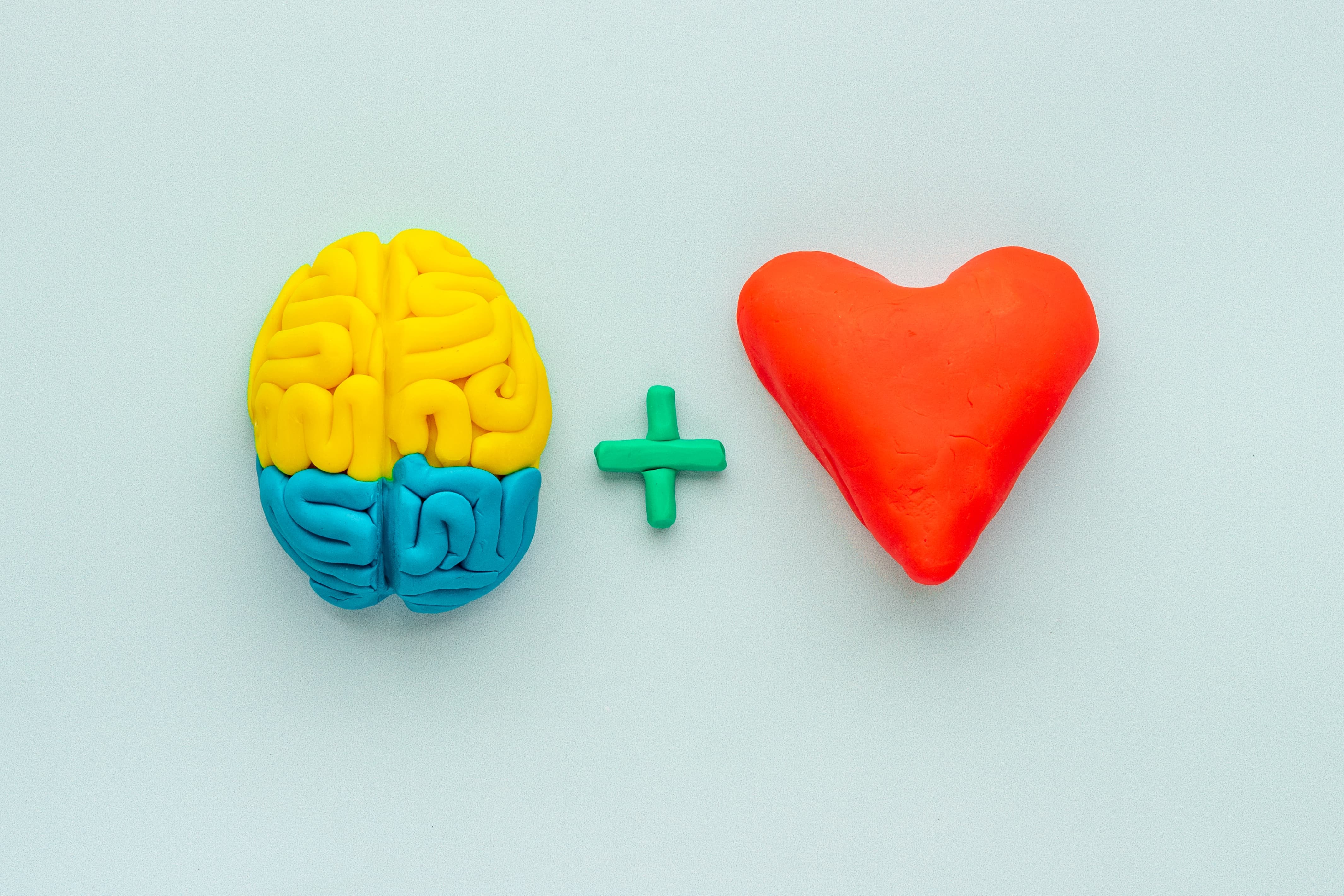
Emotional intelligence (often shortened to EQ) is your ability to recognise, understand, and manage both your own emotions and other people’s. Think of it as an inner compass for the messy landscape of feelings and relationships. And unlike IQ, which stays fairly fixed, EQ can be strengthened at any stage of life.
The Five Core Skills
Psychologist Daniel Goleman popularised a simple five-part model:
- Self-awareness — noticing your emotions as they happen, and how they shape your thoughts and actions. It’s what lets you catch yourself before you snap after a hard day.
- Self-regulation — managing your responses. Not suppressing what you feel, but expressing it in a way that helps rather than harms.
- Motivation — the inner drive that keeps you going through rough patches, beyond any external reward.
- Empathy — understanding and sharing what someone else feels. For many women this comes naturally; doing it consciously makes you far more responsive to the people you love.
- Social skills — the everyday tools for communicating clearly, resolving conflict, and building closeness. (Our guide on how to fix communication in a relationship is a good companion here.)
Why It Matters — Especially for Women
Women today are expected to hold several roles at once, and the emotional load adds up fast. Many mothers, especially, describe feeling stretched thin by demands coming from every side — the kind of slow depletion that, left unattended, builds into marriage burnout. Building EQ doesn’t add another task to the pile; it makes the whole load lighter.
Couples who grow these skills tend to report stronger, more satisfying marriages. Emotionally aware mothers tend to raise more resilient children. And on the practical side, EQ lowers daily stress and heads off the misunderstandings that turn small things into big ones.
Knowing and Managing Your Triggers
Everyone has triggers — the words, situations, or behaviours that light a fast, intense reaction. Learning to spot yours is one of the most practical EQ skills there is.
Signs your reactions need some attention
- Feeling constantly reactive to small irritations
- Flashes of anger over little things
- Shutting down during conflict
- Feeling flooded by ordinary daily stress
- Struggling to bounce back, or taking everything personally
What actually helps
- Notice the body first. A tense jaw, a fast heartbeat, shallow breathing — your body often knows before your mind catches up.
- Use the STOP technique. Stop, Take a breath, Observe what you feel without judgment, Proceed on purpose.
- Reframe. “He never helps” becomes “I can ask for what I need more clearly.” That shift — from stuck to able — changes the whole experience.
Setting Emotional Boundaries
Healthy boundaries protect your wellbeing while you care for the people around you. Many women struggle here, putting everyone else’s needs first until there’s nothing left. Signs you may need firmer ones: feeling responsible for everyone’s emotions, struggling to say no, absorbing other people’s stress, or feeling drained after almost every interaction.
To build them: name what actually drains you; say it clearly and kindly using “I” language (“I need some quiet time to recharge,” not “you’re too demanding”); start small; and expect a little pushback — staying consistent is what makes a boundary hold. Feeling safe enough to hold your own boundaries is also a big part of feeling secure in a relationship.
Three Things That Shape How You Feel in the Moment
When a feeling grips you, three levers can shift it — an idea often credited to Tony Robbins, and a genuinely useful one:
- Your body. Posture, breath, and movement change your state fast. Stand tall, breathe slowly, take a short walk.
- Your focus. What you fix your attention on grows. Dwell on the problem and it swells; turn toward a next step, or one thing that’s working, and the feeling eases.
- Your words. “I’m drowning” lands very differently from “I’m sorting out what matters first.” The language you use, out loud and inside your head, shapes the feeling.
Emotional Intelligence in Marriage, Day to Day
Anger gets a bad reputation, especially for women, who are often taught to feel guilty about it. But anger is just information — a signal that something needs attention. What matters is how you express it. Healthy anger names a specific behaviour, looks for a solution, respects the other person, and opens a conversation. Unhealthy anger attacks character, leans on the silent treatment, escalates, and erodes trust.
A few tools help: give it 24 hours before tackling a serious issue, so you respond instead of react; burn off the charge first with a walk, a workout, or a few minutes of writing it down; and speak assertively — name the behaviour, use “I feel,” ask for one specific change, stay calm.
When conflict does come, a little structure goes a long way. Beforehand, get clear on what you actually need and come in curious rather than armed. During, stay on the current issue, name what the other person seems to feel, and look for the outcome you can both live with. Afterward, follow through, thank them for the effort, and let the repair make you closer rather than wary — our guide on apology and forgiveness in marriage goes deeper on that part. And watch the non-verbals: face, posture, and tone often say more than the words.
Simple Daily Practices
You don’t need an hour. These slot into the cracks of a busy day.
- Morning check-in (a minute or two): notice how you feel, set an intention for how you want to show up, take three slow breaths.
- Evening reflection: what did you feel today, how did you handle the hard moments, what would you do differently, what are you grateful for?
- Weekly relationship review: how connected do you feel, where did things go well, what needs more care? (Our guide on quality time in marriage has easy ways to act on it.)
- Quick resets: ten slow breaths while the coffee brews; a minute of gratitude on the commute; a pause to check in with yourself before you walk back through the door.
Common Roadblocks
- Perfectionism — you don’t have to handle emotions flawlessly. Progress, not perfection.
- People-pleasing — honest communication sometimes feels uncomfortable; that’s the price of a real relationship.
- Overwhelm — keep a small “first aid kit” of go-to tools for the flooded moments.
- Old wounds — past hurts colour the present. Be gentle with yourself, and consider professional support for the deeper ones.
Frequently Asked Questions
How long does it take to develop emotional intelligence?
It’s gradual and personal. Most people notice more emotional awareness within a few weeks of steady practice, with deeper shifts in relationship patterns after several months. It’s a lifelong skill rather than a finish line.
Can emotional intelligence really save a struggling marriage?
It’s not a magic cure, but it sharply improves how you communicate, resolve conflict, and stay connected through hard seasons. Couples tend to feel the difference when both partners are growing these skills — the key word being both.
What’s the difference between EQ and just being emotional?
Being “emotional” usually means feeling things intensely without much control or awareness. Emotional intelligence is recognising the emotion, understanding what’s driving it, and choosing how to respond. You still feel deeply — you just express it in ways that strengthen the relationship.
Is it too late to build EQ as an adult?
Not at all. Unlike IQ, emotional intelligence keeps growing throughout life. Many women find their 30s, 40s, and beyond are a strong time for it, simply because they have more lived experience to draw on.
What’s a good EQ exercise for couples?
A daily “emotional weather report,” where each of you names your emotional forecast for the day, keeps you connected and heads off misreads. Pair it with real listening and “I” statements during disagreements.
How can busy mothers build emotional awareness?
Through tiny practices that fit a packed schedule — a few breaths on a break, a check-in on the commute, a short reflection at night. Consistency matters more than length; even five minutes a day adds up.
A Gentle Place to Start
Emotional intelligence isn’t about becoming perfect — it’s about becoming a little more aware, a little more intentional, a little more connected. Begin with whatever resonated most here, be patient with yourself, and let it grow. The people you love tend to feel the difference long before anyone can name it. And honestly, building these skills together is one of the better long-term goals a couple can set.
Two Books Worth a Look
If you’d like to go deeper, two stand out:
- Emotional Intelligence: Why It Can Matter More Than IQ by Daniel Goleman — the book that brought EQ into the mainstream — view on Amazon
- Permission to Feel by Marc Brackett — warm and practical, from the founding director of the Yale Center for Emotional Intelligence — view on Amazon
As an Amazon Associate, EyesMata may earn from qualifying purchases — at no extra cost to you.
Source: Daniel Goleman, Emotional Intelligence: Why It Can Matter More Than IQ (1995) — the five-component model.