Menu
close


Drafty windows? Learn how to insulate windows for winter with easy, renter-friendly fixes, from rope caulk and weatherstripping to shrink film and cellular shades.
EyesMata is reader-supported. Some links on our site may be affiliate links, which means we may earn a small commission at no extra cost to you. Learn more.
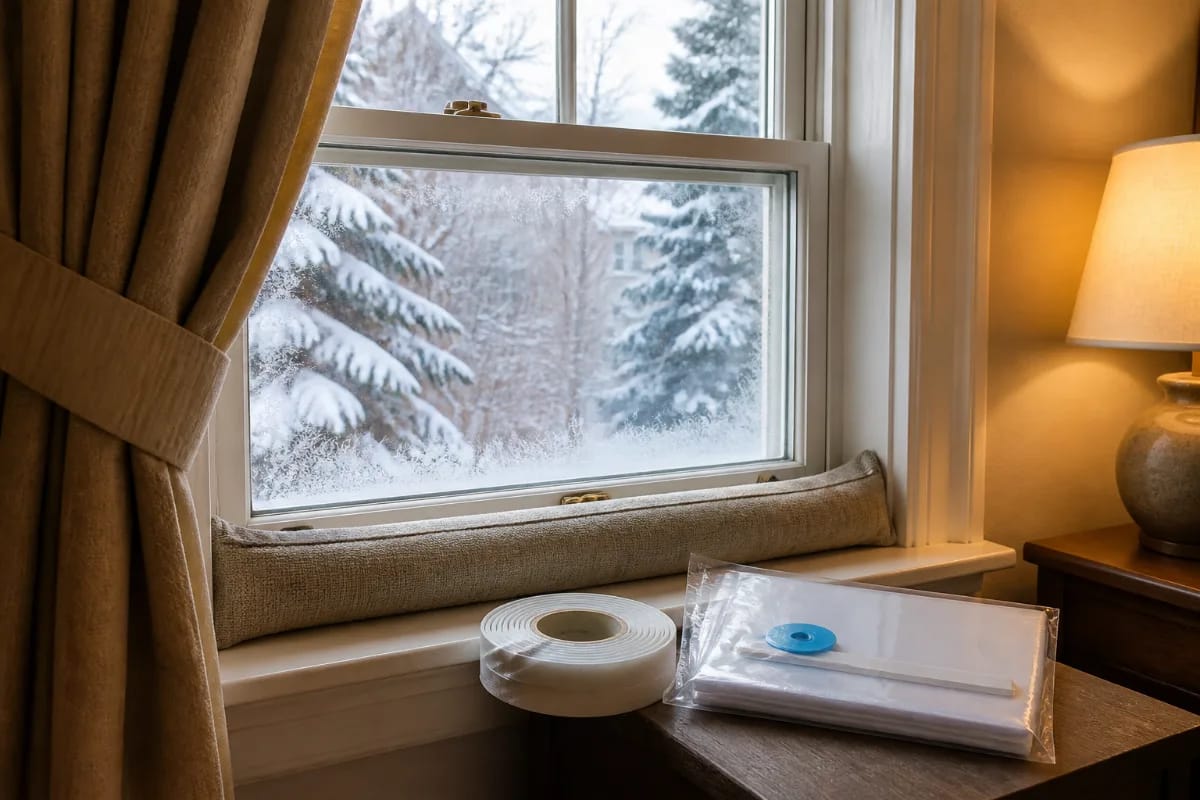
You can feel it the moment you sit near the window: a cool breeze across your arm, even though the window is shut tight. Maybe the curtains move a little on windy nights, or the glass is wet with condensation every morning. Drafty windows make a room feel colder than the thermostat says, and they make your heating work harder.
The good news is that you don't need new windows to make a real difference. This guide walks through how to insulate windows for winter, starting with quick, low-cost fixes and moving to bigger upgrades. Most of the options are renter-friendly, and we'll point out which ones to clear with your landlord first.
A drafty window usually has one of two problems, and sometimes both. Air may be sneaking in through gaps around the frame or sash. Or the glass itself may be losing heat, especially if it's an older single-pane window. Knowing which one you're dealing with keeps you from spending money on the wrong fix.
ENERGY STAR suggests a few simple ways to check for leaks:
If the frame seems tight but the room still feels cold near the window, the glass itself is the bigger issue. That's where coverings, shades, and film kits help most.
These are roughly in order of effort and cost. You don't need to do all of them. Pick the ones that match your windows, your budget, and your living situation.

This one costs nothing. Close curtains or blinds at night to hold heat in, and open them on sunny days to let the sun warm the room, especially on south-facing windows. It sounds small, but building the habit is an easy first step.
Heavier lined curtains add a layer between you and the cold glass. For the best results, hang them close to the window, let them reach the sill or floor, and choose a rod that extends past the frame so the edges overlap the wall. Gaps at the top and sides let cold air spill into the room.
Cellular shades trap air inside pockets of fabric, which slows heat loss through the glass. According to a Pacific Northwest National Laboratory overview, interior cellular shades can save about 5% to 25% on heating and cooling energy, depending on the season. Results vary with your climate and windows, but a snug fit inside the frame matters. Many shades install with a few screws, so renters should check the lease or ask first.
Rope caulk is a soft, putty-like strip you press into gaps by hand. It works well around the edges of windows that you won't open all winter, and it peels off in spring. It's a great renter option because it doesn't require tools or permanent changes. For permanent gaps in the trim, regular caulk is better, but that's usually a homeowner or landlord job.
Weatherstripping seals the parts of a window that open and close. On a typical double-hung window, focus on three spots:
Self-adhesive foam tape is cheap and easy, though it wears out faster. Plastic V-strip is more durable and hides well, but it can make a window a bit harder to open. Clean and dry the surface first so the adhesive actually sticks.
A window insulation kit is a thin sheet of clear plastic that you attach to the frame with double-sided tape, then tighten with a hair dryer. ENERGY STAR describes it as an easy, inexpensive project that can reduce drafts, cut down on condensation, and add another layer of insulating air. Here's the basic process:
ENERGY STAR notes that the tape usually comes off the trim without damaging the finish when winter is over. Paint varies, so test a small hidden spot first if you rent. Remember that you won't be able to open the window while the film is on.
A draft stopper, sometimes called a draft snake, is a long fabric tube that sits along the windowsill or the bottom of a door. You can buy one or make one from an old towel. It's not pretty, but it's fast, and it's completely renter-safe.
Interior storm panels are clear panels that fit inside your existing window frame, often held in place by compression rather than screws. They cost more than the other options, but they can make a big difference with old or single-pane windows. The PNNL overview estimates that storm windows and insulating panels can save about 10% to 30% on annual heating and cooling energy. Many models pop in and out, which can make them workable for renters, but check with your landlord first.
Every window is a little different. Here's a quick way to match the fix to the problem:
If you rent, the goal is to stay warm without leaving damage behind. In general, these are low-risk:
These usually need a quick conversation with your landlord: anything that requires drilling, permanent caulk, replacing weatherstripping that came with the window, or adding storm panels. A friendly heads-up often helps. Many landlords appreciate tenants who point out drafty windows, since it's their building too.

Not a fan of plastic film? You still have plenty of options. Combine weatherstripping or rope caulk to stop air leaks with a good covering to slow heat loss through the glass. Thermal curtains, cellular shades, and interior storm panels all work without blocking your view during the day. A draft snake handles the sill.
If money is tight, focus on air leaks first, since drafts are often what make a room feel coldest. A realistic low-cost plan looks like this:
For a broader look at seasonal upkeep, our list of simple home maintenance checks is a good companion to this guide.
Some window problems are beyond a weekend fix. Reach out to a professional, or your landlord if you rent, if you notice cracked or broken glass, soft or rotting wood around the frame, windows that won't open or lock properly, or large gaps where the frame meets the wall. Those issues can affect safety and security, not just comfort.
Cold snaps can cause other problems too. If you're in an older home, our guide on how to prevent frozen pipes covers what to do before temperatures drop.
It can help, especially on drafty or single-pane windows. ENERGY STAR notes that film kits reduce drafts, help cut condensation, and add an insulating layer of air. It won't fix a badly damaged window, but it's an affordable seasonal upgrade.
The best approach usually combines two steps: seal air leaks with weatherstripping or rope caulk, then slow heat loss through the glass with film, cellular shades, or thermal curtains.
It can, but savings depend on your climate, your windows, how you heat your home, and which upgrades you choose. The bigger benefit many people notice right away is comfort: fewer drafts and less chill near the glass.
Yes. Clear shrink film and interior storm panels let light through. With curtains or shades, open them on sunny days and close them at night.
Most people treat it as a one-season fix. Put it up in late fall and take it down in spring, when you'll want to open your windows again.
Warmer windows don't have to mean new windows. Find where the cold is coming from, stop the drafts first, then add a layer over the glass that fits your budget and your lease. A few small changes this weekend can make your favorite room feel a lot cozier all winter long. If you're building a small home toolkit, our list of essential DIY tools can help you get set up.


